

When Does an Irrigation Leak Become a Texas Drought Emergency?
A small irrigation leak rarely feels urgent. The lawn still looks fine, the sprinklers still run, and the water bill takes a month to catch up. But during a Texas drought, that same leak stops being a minor nuisance and starts working against every water restriction your city has in place. A leak as small as the thickness of a dime can waste more than 6,000 gallons a month, and in a region where outdoor watering is the first thing cities restrict when reservoirs drop, that wasted water carries real consequences. An irrigation leak becomes an emergency the moment it is paired with active drought conditions, mandatory watering restrictions, or a water bill that has spiked without explanation.
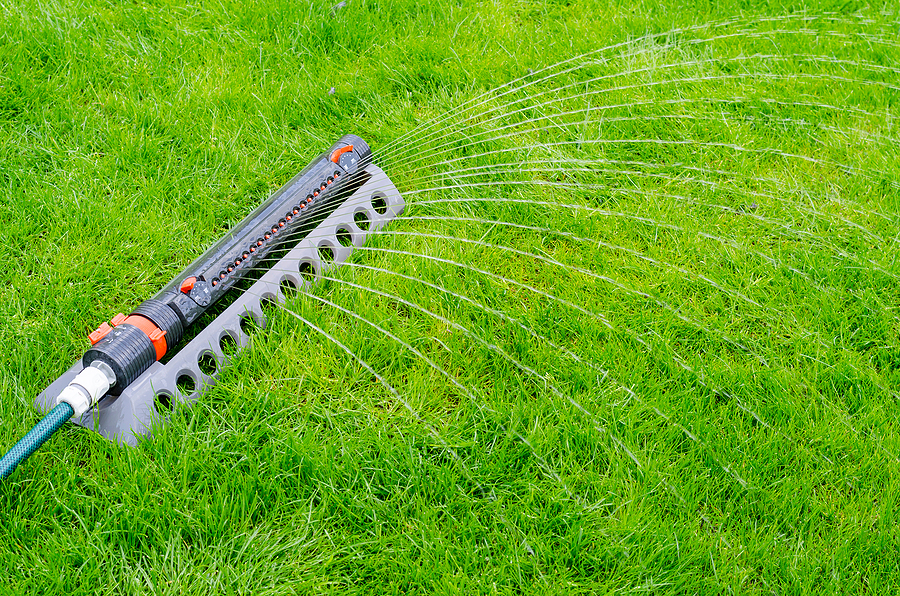
This guide breaks down what is actually happening underground when an irrigation system leaks, why drought makes the problem worse instead of better, and how homeowners across the DFW Metro area and Johnson County can tell the difference between a leak that can wait and one that needs a same-day call.
What Is an Irrigation Leak, Exactly?
An irrigation leak is any unplanned loss of water from the system that delivers water to a lawn or landscape, whether that is a buried PVC line, a drip irrigation network, a valve box, or the backflow preventer that connects the system to the home’s main water supply. These leaks happen below grade more often than not, which is exactly why they go unnoticed for weeks or months. Unlike a dripping faucet, an irrigation leak does not announce itself indoors. It shows up as a soggy patch of yard, a water bill that does not match the season, or a hiss coming from a valve box.
Irrigation leaks fall into a few categories:
- Mainline leaks, where the supply pipe feeding the entire system has cracked or separated at a joint
- Lateral line leaks, where one zone or section of the yard has a break
- Valve and backflow preventer leaks, where water escapes at the connection points rather than the pipe itself
- Sprinkler head leaks, where a cracked or broken head allows water to flow continuously instead of only during a watering cycle
The first three categories sit squarely in plumbing territory and are tied directly to the home’s main water line. The last one is typically an irrigation contractor’s repair, though a plumber is often the one who first identifies the source of a mystery water bill spike.
What Causes Irrigation Leaks in North Texas?
Several factors specific to this region make irrigation leaks more common here than in other parts of the country.
Expansive clay soil. North Texas sits on clay-rich soil that swells when wet and shrinks when dry, sometimes by several inches over a single season. Buried irrigation lines are not flexible enough to move with that soil without stress. Joints separate, fittings crack, and PVC pipe that was perfectly intact when it was installed develops hairline fractures as the ground around it expands and contracts year after year.
Drought-to-deluge cycles. Texas does not dry out gradually and rewet gradually. The state swings between extended dry stretches and sudden, heavy rain, and that whiplash is hard on anything buried in the ground. As of early June 2026, roughly 41 percent of Texas remained under active drought classification, an improvement from the 82 percent recorded three months earlier but still a meaningfully dry baseline heading into peak irrigation season. Each time the ground dries out and cracks, then absorbs a heavy rain, buried pipe gets pulled and twisted in ways it was never designed to handle.
Aging systems. Many homes across Burleson, Mansfield, Arlington, and the rest of the Fort Worth metro area have irrigation systems that are well past a decade old. PVC fittings, solenoid valves, and backflow assemblies all have a service life, and older components fail at a higher rate, especially under the pressure swings that come with a tiered watering schedule.
High system pressure. Irrigation systems running at higher pressure than their components are rated for waste water even when nothing is technically broken yet. The U.S. Environmental Protection Agency’s WaterSense program notes that irrigation systems operating above recommended pressure produce excessive flow, misting, and uneven coverage that accelerates wear on the entire system. Indoor fixtures face the opposite risk: a sudden, unexplained drop in water pressure can point to its own set of plumbing emergencies.
Warning Signs of an Irrigation Leak
Most irrigation leaks give off signals long before a homeowner notices standing water. Watch for:
- A water bill that jumps noticeably without a change in household habits or watering schedule
- A patch of grass that stays green and spongy while the rest of the lawn shows drought stress
- Pooling water on the surface of the landscape, especially near a valve box or along a known pipe run, even when the system is not actively running
- A hissing or gurgling sound coming from a valve box or near a backflow preventer
- Noticeably low water pressure at the sprinkler heads, even though the controller shows the zone is running correctly
- A water meter that keeps moving during a two-hour window when no faucets, appliances, or irrigation zones are in use
That last test is one of the simplest ways to confirm a leak anywhere on the property. Shut off every water-using fixture and appliance for two hours, then check whether the meter dial has moved. If it has, water is escaping somewhere between the meter and the point of use, and an irrigation system is one of the most common culprits because it covers so much underground territory.
DIY vs. Professional Repair
Homeowners can reasonably handle a few irrigation issues without calling a plumber: replacing a cracked sprinkler head, adjusting a misaligned nozzle, or resetting a controller program. These are irrigation-contractor-level repairs that do not involve the home’s main water supply.
- A licensed plumber should be the first call when:
- The leak is suspected to be on the mainline or anywhere between the water meter and the backflow preventer
- The water bill has spiked and the homeowner cannot visually locate the source
- There is pooling or soft ground in an area with no visible sprinkler componentThe backflow preventer itself is leaking, since this device protects the home’s drinking water from contamination and is regulated under Texas plumbing code
- Digging is required to expose and confirm a buried line, which calls for proper leak detection equipment rather than guesswork
Acoustic and electronic leak detection equipment can pinpoint an underground leak within a foot or two without tearing up the entire yard, which is the main advantage of bringing in a professional before reaching for a shovel.
Solutions for Irrigation Leaks
Professional leak detection. Rather than digging exploratory trenches, our water leak detection process uses acoustic listening equipment, ground microphones, or tracer gas to locate the exact point of the leak. This keeps yard damage to a minimum and gets the repair crew digging in the right spot the first time.
Pipe and fitting repair. Once located, a cracked PVC line or failed fitting is cut out and replaced with a properly sized coupling. On older systems, this is also a good time to evaluate whether other sections of pipe show the same age-related wear.
Backflow preventer service. If the leak originates at the backflow assembly, repair or replacement restores the water seal and protects your home’s water quality by keeping irrigation water, along with any fertilizer or pesticide residue it has contacted, from siphoning back into the drinking water supply.
Pressure regulation. Where high system pressure is contributing to leaks and uneven spray patterns, a pressure-reducing valve sized for the irrigation system brings pressure down to a safer operating range and reduces stress on every joint and fitting downstream.
Smart controller upgrades. Pairing leak repair with a weather-based or soil-moisture-based irrigation controller helps prevent overwatering going forward. The EPA’s WaterSense program notes that replacing an old clock-based controller with a WaterSense-labeled model can cut irrigation water use by up to 30 percent, which matters even more once watering days are restricted by the city.
How Drought Conditions Change the Math
During normal water availability, an irrigation leak is a maintenance issue. During a drought, it becomes something cities actively police. The Tarrant Regional Water District, which supplies treated water to Fort Worth, Arlington, Mansfield, and most of Tarrant County, maintains a tiered Water Conservation and Drought Contingency Plan. When reservoir storage or delivery capacity drops past defined thresholds, the district moves from voluntary conservation to mandatory restrictions, which commonly limit landscape irrigation to two assigned days per week and prohibit watering between 10 a.m. and 6 p.m., with watering days often assigned by whether a home’s address ends in an odd or even number.
A leaking system under those rules wastes a larger share of an already-limited allowance. Watering on the two permitted days does less good if a meaningful percentage of that water is leaking into the soil before it ever reaches a root zone. Homeowners across Johnson County and the greater DFW Metro area who keep their systems leak-free are also the ones best positioned to stay compliant when a city or water district tightens restrictions with little notice.
The clay soil common throughout Cleburne, Burleson, Joshua, and the surrounding communities compounds this. Ground that has cracked open during a dry spell does not absorb water evenly once watering resumes, which means a leaking line can lose water into a soil crack rather than the surrounding root zone, making the leak even less visible at the surface while the meter keeps running.
FAQs About Irrigation Leaks and Texas Drought
How much water can a small irrigation leak actually waste?
A leak as small as 1/32 of an inch in diameter, about the thickness of a dime, can waste approximately 6,300 gallons of water per month according to the EPA’s WaterSense program. On a system with multiple small leaks or one larger break, that figure climbs quickly, especially if the leak runs continuously rather than only during scheduled watering cycles.
Is it actually illegal to have a leaking irrigation system during a drought?
Most North Texas water providers do not cite homeowners specifically for having a leak, but a leaking system that causes water to run off a property onto a street, sidewalk, or neighboring lot can violate water waste ordinances that many cities enforce more strictly once mandatory drought restrictions are in place. The bigger practical issue is that a leak burns through a limited weekly watering allowance faster, leaving less water for the parts of the landscape that actually need it.
How can I tell if my high water bill is from an irrigation leak versus something inside the house?
Start with a two-hour meter test. Turn off every fixture and appliance, including the irrigation system, and check whether the meter dial moves. If it does, isolate the irrigation system at its shutoff valve and run the same test again. If the meter stops moving once the irrigation system is isolated, the leak is almost certainly somewhere in the irrigation line rather than inside the home.
Can I just stop running my irrigation system instead of fixing the leak?
Shutting off the system stops the active leak, but mainline leaks between the water meter and the backflow preventer are sometimes still under pressure even when the irrigation zones themselves are off, depending on where the leak sits relative to the shutoff valve. It is safer to have a plumber confirm exactly where the leak is and isolate it properly rather than assuming the problem is solved.
Does Texas drought actually affect my specific city, or is this just a statewide issue?
Drought conditions vary by water provider and reservoir system, not just by city limits. The Tarrant Regional Water District, which supplies much of Fort Worth, Arlington, Mansfield, and the surrounding area, tracks its own reservoir levels separately from statewide drought maps and can implement local watering restrictions even when conditions elsewhere in Texas look different.
What is the difference between a mainline leak and a lateral line leak?
The mainline carries water from the meter and backflow preventer to the irrigation valves and is under constant pressure whenever the system’s main shutoff is open. Lateral lines branch off from individual valves and are only pressurized when that specific zone is running. A mainline leak tends to waste water around the clock, while a lateral leak typically only wastes water during that zone’s watering schedule.
How long does it take a professional to find an underground irrigation leak?
With acoustic or electronic leak detection equipment, most residential irrigation leaks can be located within an hour or two, depending on the size of the property and how many zones the system has. This is significantly faster, and far less disruptive to the yard, than digging multiple exploratory trenches.
Will fixing my irrigation leak lower my water bill right away?
Most homeowners see a noticeable drop on the very next billing cycle after a leak is repaired, since the leak typically accounts for continuous water loss that was not tied to any actual watering need. The exact savings depend on how large the leak was and how long it had been running before repair.
Can hard water or mineral buildup cause irrigation leaks?
Mineral scale can affect valves and sprinkler heads by causing them to stick or seal improperly, which sometimes leads to water bypassing a valve that should be fully closed. This is a different mechanism than a cracked pipe, but it produces a similar symptom: water loss that does not match the programmed watering schedule.
Should I be worried about my irrigation backflow preventer specifically?
Yes, more than most other components. A failing backflow preventer is not just a water waste issue, it is a safety issue, since this device is what keeps irrigation water, along with any fertilizer or treated water it has contacted, from being siphoned backward into the home’s drinking water supply during a pressure drop. Texas plumbing code treats backflow prevention as a protected safety function, which is why repairs should go through a licensed plumber.
Do newer irrigation systems still get leaks, or is this only a problem with older systems?
Newer systems leak less often, but they are not immune, especially in this region. Expansive clay soil stresses buried pipe regardless of its age, and a system installed five years ago can still develop a cracked fitting or separated joint if the ground beneath it has gone through several drought-to-rain cycles.
What is the two-hour water meter test and how do I actually do it?
Locate your water meter, note the reading, then make sure no water is used anywhere on the property, indoors or outdoors, for two full hours. After two hours, check the meter again. If the reading changed even though nothing should have used water, there is a leak somewhere on the property between the meter and your fixtures or irrigation system.
Can a leaking irrigation system damage my home’s foundation?
It can contribute to the problem, particularly in this region. Expansive clay soil that receives uneven moisture, more on one side of a slab than another, is more likely to shift unevenly. A persistent irrigation leak near a foundation can create exactly that kind of uneven moisture pattern over time, which is one more reason mainline and valve box leaks near the house deserve prompt attention, often alongside an inspection for slab leak repair if foundation movement is already a concern.
Is leak detection covered by homeowners insurance?
Coverage varies by policy and provider, and irrigation system leaks specifically are often treated differently than leaks inside the home’s plumbing. Homeowners should check directly with their insurance provider about coverage for irrigation leak detection and repair, since this is a question only the policy itself can answer accurately.
How often should I have my irrigation system inspected to catch leaks early?
An annual inspection at the start of the watering season is a reasonable baseline for most systems, with an additional check anytime a water bill looks unusual or a section of lawn behaves differently than the rest of the yard. Systems older than ten years or those that have been through several drought cycles benefit from more frequent checks.
When to Call Finntastic Plumbing
If a water bill does not add up, a patch of yard will not dry out, or a backflow preventer is weeping at the connections, it is time to get a professional opinion before the next billing cycle or the next drought stage makes the problem worse. Finntastic Plumbing has been serving Cleburne and the surrounding DFW Metro and Johnson County communities with leak detection, backflow service, and full plumbing repair. Our team is fully licensed, bonded, and insured, and our emergency plumbing service is available 24/7, including for the kind of mainline leak that cannot wait until business hours. We are rated A+ with the Better Business Bureau and maintain a 4.8 average rating across our verified customer reviews. Call 817-899-7315 or contact us online to schedule a leak inspection before the next billing cycle or watering restriction makes the problem worse.