

Sewer Camera Inspection: What It Is, What It Finds, and When to Schedule One
A sewer camera inspection is the only way to see exactly what is happening inside your drain pipes without digging up your yard. For homeowners across Cleburne, Burleson, Benbrook, and the surrounding DFW Metro area who are dealing with recurring slow drains, a persistent sewer odor outside, or a line that has been cleared multiple times without the problem staying resolved, a camera inspection is the fastest path to knowing whether you are facing a temporary clog or a structural problem that will not go away on its own.
What Is a Sewer Camera Inspection?
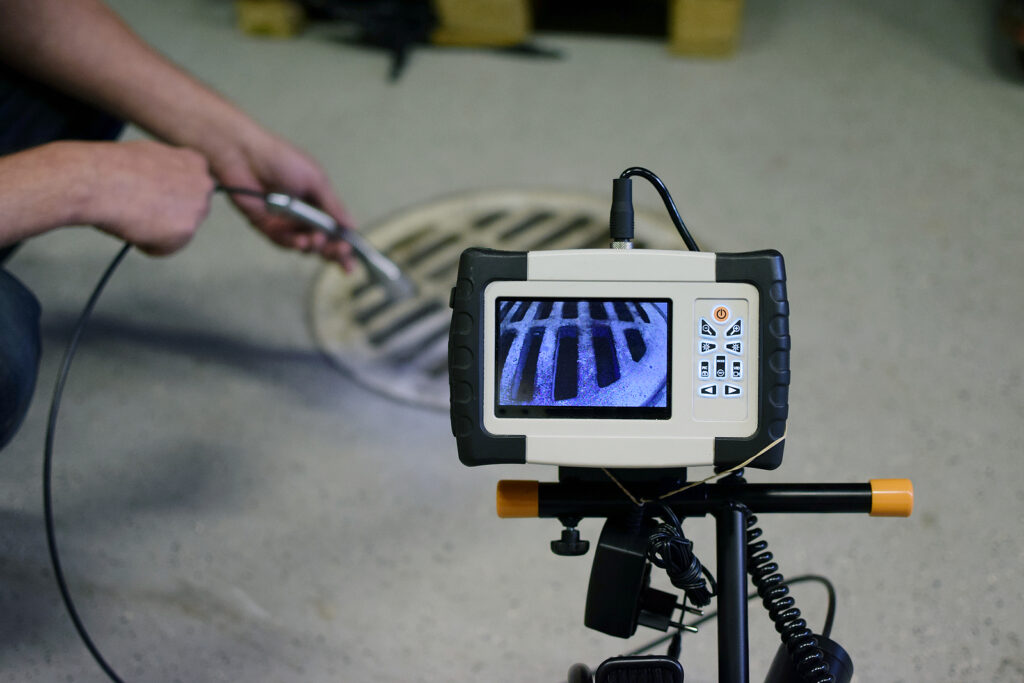
A sewer camera inspection is a diagnostic service in which a licensed plumber feeds a waterproof inspection camera on a flexible push rod through a cleanout access point in your sewer system. The camera transmits real-time video to a monitor as it travels through the pipe. The plumber observes and records what the camera sees, which is everything inside the pipe in actual condition: the pipe material, the interior surface, any intrusions or deposits, and the structural status of joints and fittings along the run.
Most modern camera systems also include a locator transmitter in the camera head. Using a handheld surface receiver, the plumber can pinpoint the exact ground location directly above any problem identified in the footage. That precise location information makes the difference between a repair that opens a targeted two-foot section of yard and one that requires extensive excavation to find a problem whose underground position was unknown.
Sewer camera inspection is regulated under Texas plumbing code requirements. Only plumbers licensed through the Texas State Board of Plumbing Examiners can legally perform plumbing diagnostic and repair work in the state. Any company offering sewer camera service in Cleburne or the surrounding area should carry a valid TSBPE license.
What a Sewer Camera Can Find
The list of problems a camera inspection can identify is broad, and many of them produce no symptoms visible at the surface until they have reached an advanced stage:
- Tree root intrusion: fine feeder roots entering through loose or cracked joints, then growing inside the pipe and trapping waste as they thicken
- Pipe cracks and fractures: breaks in the pipe wall from soil movement, age, or external loading
- Pipe belly or sag: a low section where slope has been lost and water and waste pool instead of flowing toward the municipal connection
- Offset joints: sections of pipe that have shifted out of alignment as the soil moved beneath them, common in clay soil areas across North Texas
- Collapsed pipe sections: areas where the pipe wall has failed structurally and the pipe interior is partially or fully closed
- Channel rot in cast iron: internal corrosion that erodes the bottom of cast iron sewer pipe over decades from sulfuric acid produced by slow-moving sewage
- Orangeburg pipe degradation: the bituminized fiber pipe used in homes built before the early 1970s that softens and collapses when it reaches the end of its service life
- Grease and debris accumulation at specific locations: buildups that recur no matter how many times the line is cleaned, often indicating a structural cause underneath
- Foreign objects: items flushed or dropped into the system that are lodged in the pipe
A camera inspection does not clean the pipe. It diagnoses what is in the pipe. That distinction matters significantly for what happens next, a point covered in the section on camera inspection versus hydro-jetting below.
Warning Signs Your Home Needs a Sewer Camera Inspection Now
These are the conditions that most consistently indicate a camera inspection is worth scheduling without waiting:
- Slow drains across multiple fixtures at the same time, not just one sink but widespread sluggishness throughout the home, which points to the main sewer line rather than a local fixture drain
- Gurgling sounds from toilets or floor drains when other fixtures, particularly washing machines or dishwashers, are running, which indicates air being forced back through the line
- A persistent sewage odor outside the home, particularly in the area above the main sewer run, which suggests a leak in the buried line
- A wet or spongy patch in the yard with no apparent explanation, especially one that does not dry up in hot summer weather
- A drain backup that was cleared once and came back within six months, which suggests the underlying cause was not addressed
- You are buying or selling a home built before 1995 in Cleburne, Burleson, Fort Worth, or any of the surrounding established neighborhoods
- The home has large mature trees, particularly live oaks, pecans, or cedar elms, planted near or above the sewer run
The Texas Commission on Environmental Quality notes that aging municipal infrastructure is a consistent challenge across Texas communities, and the same aging dynamics that affect public water mains affect private sewer laterals on individual properties. According to TCEQ infrastructure guidance, older pipe materials require more frequent inspection as they approach and exceed their design life. A home built in 1975 with original cast iron sewer pipe is carrying infrastructure that is now over fifty years old.
How the Sewer Camera Inspection Process Works
Here is what to expect during a professional sewer camera inspection:
- The plumber locates the sewer cleanout on your property, typically a capped white PVC pipe extending from the ground near the home’s foundation, in the garage, or in a utility area. If no accessible cleanout exists, one can be installed before the inspection begins.
- The push-rod camera is inserted into the cleanout and carefully fed into the main sewer line. The plumber watches the real-time video feed on the monitor and calls out what is visible as the camera moves through each section of pipe.
- When a problem is identified, the locator transmitter in the camera head allows the plumber to mark the exact ground position above the issue. This is critical for any repair that requires excavation, since it eliminates the guesswork about where to dig.
- The plumber continues pushing the camera toward the municipal connection, checking the full length of the main sewer lateral on the property side. The footage is recorded for your records.
- After completing the run, the plumber explains the findings in plain terms: what was found, where it is located, what it means for the line’s current function, and what the options are for addressing it. No repair work is done during the inspection visit unless specifically requested and agreed to.
Why Cleburne and North Texas Homes Need Camera Inspections More Often
North Texas sits on expansive Blackland Prairie clay soil. This soil has a documented tendency to swell significantly when wet and shrink dramatically during dry periods. During a July drought like the one currently affecting Cleburne and the surrounding area, that clay is actively contracting and pulling away from buried pipe sections, opening joints that were sealed, shifting pipe alignment, and leaving previously stable underground runs without the soil support they relied on. According to EPA guidance on aging water and sewer infrastructure, ground movement is among the primary physical stresses that compromise buried pipe systems over time.
Homes built across Cleburne and the surrounding Johnson County communities before the mid-1990s are likely served by cast iron or clay sewer pipe. By 2026, that pipe is between thirty and over fifty years old depending on the construction year. Cast iron corrodes from the inside over decades through a process called channel rot, where sulfuric acid produced by bacteria in slow-moving waste erodes the pipe floor until the bottom of the pipe is gone. The pipe may look intact from the outside while being severely compromised inside.
The tree canopy common in established Cleburne neighborhoods adds a third factor. Live oaks, pecans, and cedar elms all produce lateral root systems that spread far beyond the canopy in search of moisture. In a July drought, those root systems push harder toward dependable moisture sources, and a sewer line releases enough moisture vapor at aging joints and minor cracks to become exactly the target roots are seeking. This combination of aging pipes, clay soil movement, and aggressive root systems means a camera inspection on a pre-1995 Cleburne or DFW metro home is likely to find something worth knowing about.
Sewer Camera Inspection vs. Hydro-Jetting: Two Different Services
One of the most common misunderstandings about sewer service is the relationship between camera inspection and hydro-jetting. They are not interchangeable, and they address different questions:
A sewer camera inspection diagnoses what is happening inside the pipe. It identifies what problems exist, where they are located, and how severe they are. The camera does not clean or repair anything.
Hydro-jetting treats buildup and blockages by blasting water through the pipe at high pressure, clearing root masses, grease deposits, and sediment from the pipe interior.
The right order is camera inspection first. Hydro-jetting into a pipe with a collapsed section, a severe offset joint, or a cracked wall can force water into the surrounding soil through the damage, making the structural situation worse. A camera inspection confirms whether the pipe is sound enough to handle hydro-jetting before any high-pressure work begins. For a line that has experienced repeated blockages, the camera also reveals whether cleaning the line will actually solve the problem or whether the underlying structural cause will simply recreate the blockage within months.
For more detail on hydro-jetting as a sewer line cleaning method, including when it is and is not the appropriate choice for a blocked line, see our hydro-jetting service page
What Happens After the Inspection Results Come Back
The camera footage is the starting point for deciding what the sewer line actually needs. Common findings and the paths they typically lead to:
Tree Root Intrusion Without Structural Pipe Damage
When roots have entered through aging joints but the pipe walls themselves are intact, the immediate treatment is usually mechanical root cutting or hydro-jetting to clear the root mass. The line will likely need follow-up camera monitoring since roots grow back through the same entry points, and addressing the joint gaps through pipe lining is a more permanent solution that prevents re-entry.
Pipe Belly, Offset Joints, or Channel Rot
These structural issues cannot be resolved by cleaning. A sagged pipe section, a joint that has shifted out of alignment, or a cast iron pipe with significant bottom-wall corrosion needs repair or replacement of the affected section. Trenchless options including cured-in-place pipe lining and pipe bursting are available for many of these conditions and involve minimal surface excavation compared to traditional replacement.
Orangeburg or Clay Pipe in Advanced Deterioration
Orangeburg fiber pipe from pre-1970 construction that shows softening and deformation, or clay pipe with severe joint separation, typically warrants full replacement rather than targeted section repair. These materials have reached or exceeded their design life, and the remaining sections are likely to fail in sequence as additional stresses accumulate. A camera inspection that reveals Orangeburg or heavily deteriorated clay provides the documentation needed to make that decision with accurate information rather than guessing.
Schedule a Sewer Camera Inspection With Finntastic Plumbing
Finntastic Plumbing provides sewer camera inspections throughout Cleburne, Fort Worth, Burleson, Benbrook, Kennedale, and the surrounding Johnson County and DFW Metro service area. Our team is licensed through the Texas State Board of Plumbing Examiners, fully insured, and background-checked. Every inspection includes a real-time review with you present, a findings walkthrough that explains exactly what the camera found and where it is located underground, and an honest assessment of what the line’s condition means going forward.
For sewer lines that are currently backing up or producing emergency symptoms, our emergency plumbing line is staffed 24/7. For planned inspections, whether before a home purchase, after a repair, or as part of a regular maintenance schedule, call 817-899-7315 or contact us online to schedule. Our sewer line repair team is ready to review findings with you and explain all repair options clearly before any work begins.
FAQs About Sewer Camera Inspections in Cleburne, TX
What is a sewer camera inspection?
A sewer camera inspection is a diagnostic service in which a licensed plumber inserts a waterproof camera on a flexible push rod into your sewer line through a cleanout access point. As the camera travels through the pipe, it transmits real-time video to a monitor that the plumber watches and records. The inspection allows the plumber to see the inside of the pipe directly, identifying problems like root intrusion, cracks, collapsed sections, offset joints, and grease buildup without excavating the ground above the line.
How long does a sewer camera inspection take?
Most residential sewer camera inspections take one to two hours, including locating the cleanout access, running the camera through the main line to the municipal connection, reviewing the footage with the homeowner, and explaining what was found. Longer main line runs, systems with multiple branch connections, or lines with severe blockages that impede camera movement can extend that time. You will typically receive a verbal findings report during the same visit.
Can a sewer camera inspection find all types of pipe problems?
A camera inspection is one of the most comprehensive diagnostic tools available for evaluating sewer line condition. It can identify tree root intrusion, pipe cracks and fractures, corrosion and thinning walls, pipe belly or sag, offset and separated joints, collapsed sections, foreign objects, and grease accumulation. The one limitation is that a camera shows the interior surface of the pipe but cannot directly measure pipe wall thickness. Signs of advanced corrosion are visible on camera, but a camera cannot confirm exact remaining wall thickness the way specialized acoustic testing can.
My drains seem fine. Do I still need a sewer camera inspection?
A camera inspection is useful even when drains appear normal in several specific situations: when you are buying or selling a home, particularly one built before 1995; when the home has mature trees in the yard with roots known to spread aggressively; when the neighborhood sits on heavy clay soil like Cleburne’s Blackland Prairie; or when the last camera inspection was more than three years ago on a home with original cast iron or clay sewer pipe. Many significant sewer line problems, including partial root intrusion, early-stage corrosion, and developing pipe belly, produce no surface symptoms until they become emergency-level failures.
What does a sewer camera inspection find in older Cleburne homes?
Older homes in Cleburne and the surrounding Johnson County area most commonly built before the mid-1990s are more likely to be served by cast iron sewer pipe. By 2026, that pipe is thirty to fifty or more years old depending on construction date. Cast iron corrodes from the inside through a process called channel rot, where sulfuric acid produced by anaerobic bacteria in slow-moving sewage erodes the bottom of the pipe over decades. Camera inspections in older Cleburne homes frequently identify channel rot, root intrusion through aging cast iron joints, and pipe belly caused by decades of clay soil movement beneath the line.
How often should Cleburne homeowners schedule a sewer camera inspection?
For homes with original cast iron or clay sewer pipe, an inspection every two to three years is a reasonable preventive schedule. For homes with a history of sewer problems, recurrent blockages, or mature trees directly above the main sewer run, annual inspections are worth considering. For newer construction homes with PVC sewer pipe and no root pressure from nearby trees, inspections every five years or when specific symptoms appear is a reasonable baseline. If you have never had a camera inspection done on a Cleburne home built before 2000, scheduling one is worth the investment regardless of current drain performance.
Can a sewer camera inspection see through a blockage?
Partial blockages, including root masses that still allow some water flow, do not stop the camera from being pushed through, though heavy root intrusion can slow progress and require careful navigation. A complete blockage that stops all flow prevents the camera from passing the obstruction. In that case, the plumber can identify the approximate location and nature of the blockage based on how far the camera traveled and what it last showed before progress stopped. Hydro-jetting the line to clear the blockage first, then performing the camera inspection, is the sequence we often use when a line is both blocked and in need of structural assessment.
What type of camera equipment is used in a sewer inspection?
Professional sewer camera systems use a waterproof camera head mounted on a push rod that transmits live video to a monitor or recording device. Most modern systems also include a locator transmitter in the camera head that can be tracked from the surface using a handheld receiver, which allows the plumber to identify the exact ground location directly above any problem found in the pipe. Some systems record the inspection footage to a USB drive or digital storage for the homeowner to keep, which is useful if a repair is needed and a second opinion is sought.
Can I watch the sewer camera inspection as it happens?
Yes. The real-time video feed is displayed on a monitor that you can stand beside during the inspection. Most plumbers walk through what they are seeing as the camera moves through the pipe, explaining each section of the line, pointing out healthy sections versus problem areas, and indicating the approximate underground location of anything that needs attention. Watching the inspection yourself is the best way to understand the actual condition of your sewer line and make an informed decision about any repair options.
What does a sewer camera find that regular drain cleaning misses?
Drain cleaning removes material from inside the pipe. A camera inspection shows why the material is there and whether the pipe itself is structurally sound. A hydro-jet can clear a root mass effectively, but it cannot show whether the root entered through a cracked joint that will allow the same roots back in within months, whether the pipe has a belly that will keep accumulating debris regardless of how often it is cleaned, or whether a section of cast iron is corroded thin enough that it needs replacement rather than just cleaning. The camera answers the structural questions that cleaning alone cannot.
My plumber recommends a sewer camera inspection. Is it necessary or is it an upsell?
A camera inspection recommendation is appropriate when there are legitimate diagnostic questions that only direct visual inspection can answer: recurring blockages in the same location, a backup that happened without a clear cause, a home with aging pipe materials and no inspection history, or a home being purchased. If your plumber recommends a camera inspection after clearing a routine kitchen sink clog with no other symptoms present, asking why the inspection is needed is a reasonable question. A legitimate recommendation will come with a clear explanation of what clinical symptom or risk factor makes it appropriate for your specific situation.
Does a sewer camera inspection work in PVC pipes as well as older cast iron?
Yes. Camera inspection equipment works in all standard sewer pipe materials, including PVC, cast iron, clay, Orangeburg, and concrete. The pipe material does not affect the camera’s ability to transmit video. The main differences are in what the camera is likely to find: PVC pipe in good condition usually shows fewer corrosion concerns, while cast iron and clay pipe in older homes more commonly show channel rot, joint separation, and root intrusion.
What is trenchless pipe repair and how does a camera inspection lead to it?
Trenchless repair methods, including cured-in-place pipe lining and pipe bursting, allow a damaged sewer line to be repaired or replaced from within the pipe itself without extensive excavation of the yard. The camera inspection determines whether the pipe’s condition is suitable for a trenchless approach: a pipe that still has a consistent interior diameter and no completely collapsed sections can often be lined, while a pipe with major structural failure may require traditional excavation. The camera footage is the diagnostic evidence that determines which repair method is appropriate, making the inspection the essential first step before any repair recommendation.
How does Cleburne’s clay soil affect the need for sewer camera inspections?
North Texas sits on expansive Blackland Prairie clay soil, which swells when wet and shrinks significantly during dry periods like the July drought currently underway in Cleburne. That expansion and contraction cycle moves the ground around buried sewer pipes, incrementally opening joints, creating misalignments, and causing sections of pipe to develop a belly or sag over decades. The same soil movement that shifts foundations in North Texas affects sewer lines in the same neighborhoods. This is one of the primary reasons sewer line inspections in Cleburne and the surrounding DFW area reveal structural problems, like pipe belly and offset joints, that similar homes in more stable-soil markets see far less frequently.
Does Finntastic Plumbing perform sewer camera inspections in Cleburne and the surrounding area?
Yes. Finntastic Plumbing provides sewer camera inspections throughout Cleburne, Fort Worth, Burleson, Benbrook, Kennedale, and the broader Johnson County and DFW Metro service area. Our inspections include real-time video review with the homeowner, a findings explanation covering what was identified and what the options are, and locator marking where applicable so any repair work can be precisely targeted. Call 817-899-7315 or contact us online to schedule a sewer camera inspection.