

Recurring Drain Clogs? Why Hydro-Jetting May Be the Permanent Solution You Need
You cleared the clog last month. Now it is back. You cleared it again. And here you are, three weeks later, staring at a sink full of standing water, wondering why nothing seems to fix the problem for good.
If this sounds familiar, you are not alone. Recurring drain clogs are one of the most common complaints plumbers hear from homeowners. And in most cases, the reason the clog keeps coming back is simple: the drain was never fully cleaned in the first place. A drain snake or a bottle of liquid cleaner might push through the blockage temporarily, but neither one removes what is coating the inside walls of your pipes.
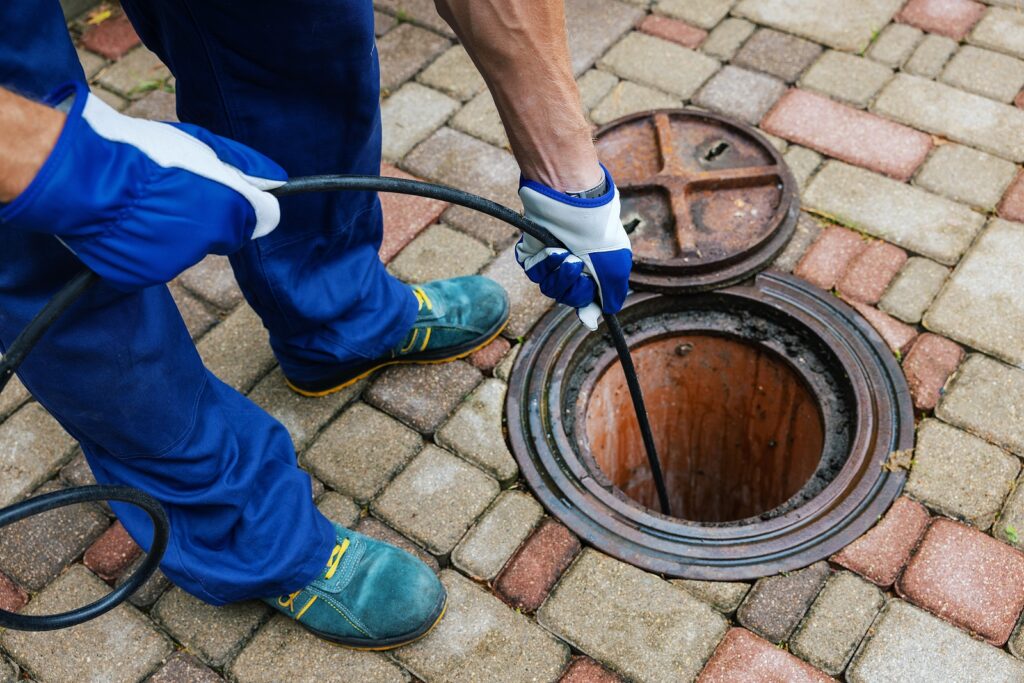
That is where hydro-jetting comes in. It is not a new trick or a gimmick. It is a proven method that actually cleans a pipe from the inside out, and for a lot of homeowners dealing with stubborn, recurring clogs, it turns out to be the fix that finally works for good.
Why Do Drain Clogs Keep Coming Back?
Before getting into hydro-jetting, it helps to understand why clogs return in the first place. The answer usually comes down to what is left behind after a standard clearing.
When a plumber runs a drain snake through a clogged pipe, the snake either breaks up the clog or hooks onto it and pulls it out. Either way, the pipe is now passable again. But the walls of that pipe? They still have the same buildup that contributed to the clog. Grease, soap scum, mineral deposits, and biofilm are all still clinging to the inside of the pipe. They never went anywhere.
It does not take long before new debris catches on that leftover buildup and starts forming another clog. The pipe narrows, water slows down, and within weeks or a few months, you are dealing with the same problem all over again.
Chemical drain cleaners make the same mistake differently. They may dissolve part of a clog, but they rarely make contact with the entire circumference of the pipe, and they do nothing about hardened grease or mineral scale. Repeated use can also weaken your pipes over time, which creates a whole new set of problems.
If your drain has clogged multiple times in the past year, the pipe needs a real cleaning, not just a temporary fix.
What Is Hydro-Jetting?
Hydro-jetting is a drain cleaning method that uses a high-pressure stream of water to clean the inside of your pipes. A plumber inserts a specialized hose into the drain line, and water shoots out of a nozzle at the end of the hose at very high pressure, typically anywhere from 1,500 to 4,000 PSI, depending on the size of the pipe and the severity of the buildup.
The nozzle on a hydro-jetting hose is designed to spray water in multiple directions at once, including backwards. This does two things at the same time. The forward-facing jets cut through and break apart whatever is blocking the pipe. The rear-facing jets push all of that loosened debris down the line and out of the system. By the time the process is done, the inside of the pipe is clean from wall to wall.
Hydro-jetting removes:
- Grease and cooking oil buildup in kitchen drain lines
- Soap scum and hair in bathroom drains
- Mineral scale from hard water deposits
- Tree roots that have started to intrude into sewer lines
- Sediment and sludge in main sewer lines
- Biofilm that causes foul drain odors
Nothing gets left behind on the pipe walls. That is what makes hydro-jetting fundamentally different from snaking, and why it produces results that actually last.
How Hydro-Jetting Is Different from Drain Snaking
Both drain snaking and hydro-jetting are legitimate plumbing tools, but they solve different problems. Understanding the difference helps you know which one your situation actually calls for.
A drain snake is a long, flexible metal cable that a plumber feeds into the drain and rotates to break apart or hook a clog. It is fast, affordable, and works well for a simple, isolated blockage like a clump of hair near the drain opening or a single food clog in a kitchen line. If you have a clog that just formed and the pipe is otherwise clean, snaking is often all you need.
Hydro-jetting is the right call when the problem is not just a single clog but a buildup problem throughout the pipe. If the interior walls of your pipe are coated with grease, scale, or sludge, snaking will get water flowing again temporarily, but it will not clean those walls. Hydro-jetting does.
Here is a simple way to think about it. Drain snaking is like punching a hole through a pile of debris. Hydro-jetting is like pressure washing the entire inside of the pipe until it looks clean again.
For homes in Cleburne, TX and the surrounding areas where hard water is common, mineral scale buildup inside pipes is a real and frequent problem. That scale does not respond well to a drain snake. Hydro-jetting cuts right through it.
Signs That You Need Hydro-Jetting, Not Just a Basic Drain Cleaning
Not every slow drain needs hydro-jetting, but certain patterns are a strong signal that basic methods are not going to cut it. Watch for these signs:
- Your drain has clogged three or more times in the past year. This is the clearest sign that something is coating the inside of your pipe and not being fully removed with standard methods.
- Multiple drains in your home are slow at the same time. When several drains are affected together, the problem is likely in the main drain line, not individual fixtures. Main line buildup almost always requires hydro-jetting to clear properly.
- You notice a persistent bad smell coming from your drains. Foul odors that will not go away even after cleaning usually come from biofilm and organic buildup coating the inside of the pipe. Hydro-jetting removes that layer completely and eliminates the source of the smell.
- Water drains slowly, even right after a basic cleaning. If a plumber just snaked your drain and it is already slow again within a few weeks, the pipe walls were never cleaned and the buildup is contributing to every new clog.
- Your home has older plumbing. Older pipes, especially in homes built before the 1980s, tend to have years of accumulated scale and buildup. Hydro-jetting gives these pipes a fresh start without the need for replacement.
Is Hydro-Jetting Safe for Your Pipes?
This is one of the most common questions homeowners ask, and it is a fair one. High-pressure water sounds like it could damage pipes, but in the hands of a trained plumber, hydro-jetting is very safe for most residential plumbing systems.
The key is that a professional plumber will run a camera inspection through your pipes before starting the hydro-jetting process. This lets them see the condition of the pipes from the inside. If a pipe has significant corrosion, cracks, or is already weakened in some way, the plumber will know before applying high pressure. In those cases, they can adjust the pressure settings or recommend a different approach.
For pipes that are in good condition, hydro-jetting is not only safe but also beneficial to long-term pipe health. Clean pipe walls resist buildup better than coated ones, and water flows more efficiently through a fully cleared line.
PVC pipes, cast iron pipes, and most modern residential pipe materials handle hydro-jetting without any issues when the process is done correctly by a licensed plumber.
What to Expect During a Hydro-Jetting Appointment
If you have never had hydro-jetting done before, knowing what to expect takes the mystery out of it.
First, your plumber will do a camera inspection of the drain line to assess the type and location of the buildup and check the condition of the pipes. This step is important because it tells the plumber exactly what they are dealing with before they start.
Next, the plumber will insert the hydro-jetting hose into the drain through a cleanout access point. They will feed the hose through the line while the high-pressure water jets do their work on the pipe walls and any blockages.
The whole process for a standard residential drain line typically takes one to two hours, depending on the length of the pipe and the severity of the buildup. After the cleaning, many plumbers will do a second camera pass to confirm the pipe is fully clear and in good shape.
You will notice an immediate difference in how your drains flow after hydro-jetting. Water moves faster and more freely, and that sluggish, gurgling drain you have been dealing with for months will be gone.
How Long Does Hydro-Jetting Last?
This is the part homeowners appreciate most. Because hydro-jetting cleans the entire interior surface of the pipe rather than just pushing through the clog, the results last significantly longer than a standard drain snaking.
For most residential homeowners, a hydro-jetting service on a kitchen or main drain line keeps the pipes clear for one to three years with normal use. For households with heavy cooking, multiple residents, or older pipes prone to scale buildup, scheduling hydro-jetting every one to two years is a smart way to prevent clogs from ever becoming a serious problem again.
Think of it as a deep clean for your plumbing system. Just like your gutters need a proper cleaning once a year rather than just having the visible leaves scooped out, your drain lines benefit from a thorough interior cleaning on a regular schedule.
Can Hydro-Jetting Remove Tree Roots?
Yes, in many cases, hydro-jetting can cut through and flush out tree root intrusions in sewer lines. Tree roots are attracted to the moisture and nutrients inside sewer pipes, and they can work their way through small cracks or joints in the pipe over time. Once inside, they grow and branch out, catching toilet paper and debris and causing slow drains and blockages.
Hydro-jetting nozzles designed for root cutting can break apart smaller root masses and flush them out of the line. For more advanced root intrusion, your plumber may recommend a combination of hydro-jetting and pipe repair or relining, depending on the extent of the damage.
If you live in an area with large trees near your sewer line, a camera inspection every couple of years can catch root intrusion early before it becomes a major repair.
FAQs
How do I know if hydro-jetting is the right option for my home in Cleburne, TX?
If your drains clog repeatedly, multiple drains are slow at the same time, or you have a persistent bad smell that basic cleaning has not resolved, hydro-jetting is likely the right call. A licensed plumber in Cleburne, TX can inspect your pipes with a drain camera and give you a clear answer based on what they find inside the line.
Will hydro-jetting damage the pipes in my older Cleburne area home?
A professional plumber will always inspect your pipes with a camera before starting hydro-jetting. If the pipes show signs of significant corrosion or weakness, the plumber will adjust accordingly. For pipes in reasonable condition, hydro-jetting is safe and effective regardless of pipe age. Skipping the camera inspection and applying high pressure blindly is not how licensed plumbers operate.
My drain was just snaked two months ago and it is already slow again. Should I ask about hydro-jetting?
Yes, absolutely. When a drain clogs again that quickly after being snaked, it almost always means the pipe walls have buildup that was never removed. Snaking cleared a path temporarily, but the buildup is still there catching new debris. Hydro-jetting will clean the pipe walls completely and give you a much longer-lasting result.
Can hydro-jetting help with the bad smell coming from my drains in Cleburne, TX?
Yes. Foul drain odors are usually caused by organic buildup, grease, and biofilm coating the inside of the pipe. These layers produce bacteria and odor that no surface cleaner can reach. Hydro-jetting strips the entire interior of the pipe clean, removing the source of the smell completely rather than just masking it temporarily.
How often should homeowners in the Cleburne and Johnson County area schedule hydro-jetting?
For most households, once every one to two years is a good maintenance schedule, especially given the hard water common in Cleburne, TX and the surrounding areas. Hard water accelerates mineral scale buildup inside pipes, which makes regular hydro-jetting particularly valuable for keeping drain lines clear and flowing properly year-round.
Tired of the Same Clog Coming Back? Finntastic Plumbing Can Fix It for Good.
If recurring drain clogs have been driving you crazy, it is time to stop patching the problem and actually solve it. Finntastic Plumbing provides professional hydro-jetting services to homeowners in Cleburne, TX and all surrounding areas. Our licensed plumbers will inspect your pipes, clear the buildup completely, and make sure your drains flow the way they are supposed to. Call us today at 817-899-7315 to schedule your service. We are available 24/7 for emergencies, so do not hesitate to reach out whenever you need us.