

What Causes Sudden Water Pressure Loss and When Is It an Emergency?
You turn on the faucet and the water barely trickles out. Or you are in the middle of a shower and the pressure just drops out of nowhere. It catches you off guard, and your first thought is probably, “What just happened?”
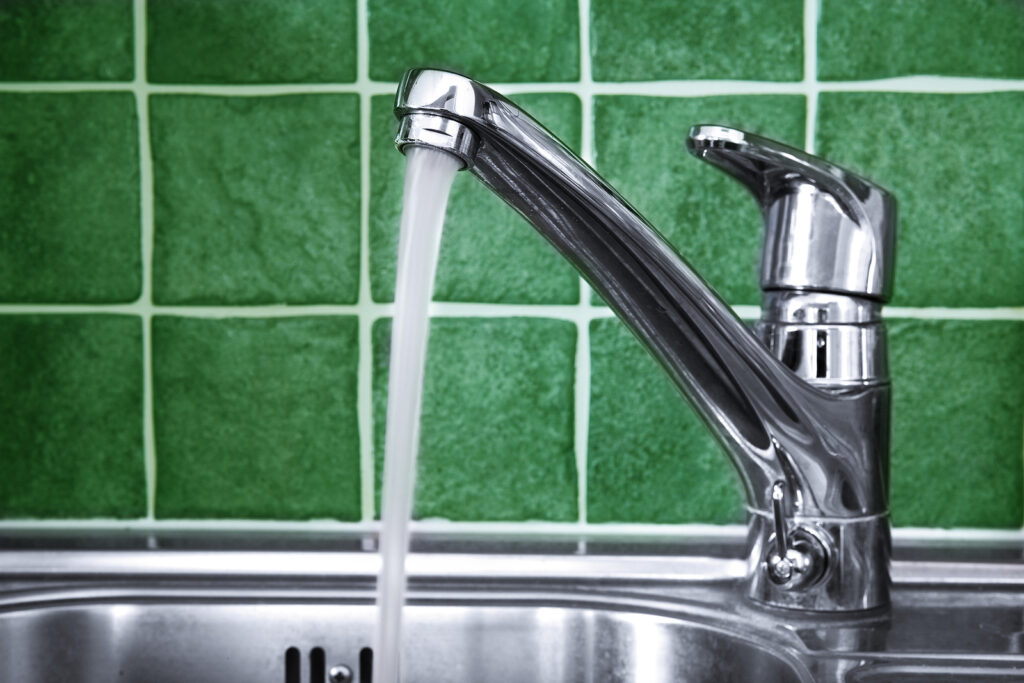
Sudden water pressure loss is one of those plumbing problems that can mean something minor or something serious, depending on what caused it. Knowing the difference can save you from a lot of stress and help you decide whether you need to call a plumber right away or if you have a little time to investigate.
This guide walks you through the most common reasons water pressure drops suddenly, what the warning signs are, and exactly when it crosses the line into emergency territory.
What Is Considered Normal Water Pressure?
Before getting into what causes pressure loss, it helps to understand what normal looks like. Most homes operate with water pressure somewhere between 40 and 80 PSI (pounds per square inch). Anything below 40 PSI and you will likely notice weak flow at your fixtures. Anything above 80 PSI and you risk damaging your pipes and appliances over time.
If your water pressure has always been a little low, that is one thing. But when it drops suddenly with no warning, that is when your attention is needed.
Common Causes of Sudden Water Pressure Loss
1. A Water Main Break or Municipal Supply Issue
Sometimes the problem has nothing to do with your home at all. If your city’s water main breaks or the municipal water supply experiences a pressure drop, every home on that line will feel it at the same time.
The quickest way to check this is to ask a neighbor if they are having the same issue. If they are, the problem is likely outside your property and your water utility company is probably already working on it. You can call your local water utility to confirm.
In Cleburne, TX and surrounding areas, water main issues can happen after severe weather, ground shifting, or aging infrastructure. These situations usually resolve on their own within a few hours, but it is still worth calling your utility to get an update.
2. A Leak Somewhere in Your Home’s Plumbing
This is one of the most serious causes of a sudden pressure drop, and it is one you need to take seriously. When a pipe develops a significant leak inside your walls, under your slab, or in your yard, water escapes before it reaches your fixtures. That means less pressure at the faucet and a lot of water going somewhere it should not be.
Signs that a hidden leak may be behind your pressure drop include:
- Wet spots on walls, ceilings, or floors
- A higher than usual water bill with no explanation
- The sound of running water when nothing is turned on
- Warm spots on your floor, which can indicate a hot water line leak under the slab
A hidden leak is not something you want to ignore. The longer it goes undetected, the more water damage builds up inside your home. Mold can start growing within 24 to 48 hours in wet areas, and structural damage follows not too far behind.
3. A Failing Pressure Regulator
Many homes have a pressure regulating valve (PRV) installed near where the main water line enters the house. This device controls the water pressure coming into your home and keeps it at a safe, steady level.
When a PRV starts to fail, it can cause pressure to drop suddenly or fluctuate unpredictably. One day, your shower feels fine, the next it feels like a garden hose on low. A faulty pressure regulator is a relatively common problem, especially in homes that are 10 years or older.
A licensed plumber can test your pressure regulator quickly and replace it if needed. It is not a dangerous emergency on its own, but it does need to be fixed to restore normal water flow.
4. Mineral Buildup and Sediment Inside Pipes
Over time, minerals like calcium and magnesium from hard water build up inside your pipes. This is called scale buildup, and it gradually narrows the inside of the pipe. In most cases, this causes pressure to decrease slowly over months or years. But in some situations, especially older pipes, a piece of buildup can break loose and partially block a fixture or a section of pipe, causing a more sudden pressure drop.
If you notice low pressure at just one fixture, like a single faucet or showerhead, mineral buildup is a very likely cause. Removing and soaking the aerator or showerhead in vinegar often solves it. But if multiple fixtures are affected, the issue is deeper in the system.
Cleburne, TX and many surrounding areas have hard water, which means mineral buildup is a real and ongoing issue for local homeowners. Regular water heater maintenance and pipe inspections can catch this before it becomes a bigger problem.
5. A Partially Closed Shut-Off Valve
This one sounds too simple, but it happens more than you would think. If someone recently worked on your plumbing and did not fully reopen the main shut-off valve or a secondary valve, your water pressure will be lower than normal everywhere in the house.
Check your main shut-off valve, which is usually located near your water meter or where the main line enters your home. Make sure it is fully open. Even being a quarter turn away from fully open can noticeably reduce pressure throughout the house.
6. A Water Heater Issue
If you are only experiencing low pressure with your hot water and not the cold, your water heater is likely the cause. Sediment buildup inside the water heater tank can restrict water flow. A failing shut-off valve on the heater itself can also be the issue.
If your hot water pressure drops suddenly and you also notice that the water is not getting as hot as it used to, or you hear popping and rumbling sounds from the tank, your water heater needs attention. Sediment buildup inside the tank reduces efficiency and can lead to premature failure if left alone.
7. Frozen Pipes
In colder months, even in the Cleburne, TX area, where hard freezes do not happen constantly, a cold snap can cause pipes in uninsulated areas to freeze. When a pipe freezes, water flow through that section stops or slows dramatically. This causes a sudden and noticeable drop in pressure.
Frozen pipes are dangerous because, as ice expands inside the pipe, it can crack the pipe wall. When the pipe thaws, you end up with a burst pipe and a water emergency on your hands. If you suspect a frozen pipe, turn off your main water supply and call a plumber immediately.
When Is Water Pressure Loss an Emergency?
Not every pressure drop requires a 2 a.m. phone call to your plumber, but some absolutely do. Here is how to know when to pick up the phone right away.
Call a plumber immediately if:
You hear running water inside your walls or floors when everything is off. This points to an active leak that is causing water damage right now.
You see water stains, bubbling paint, or wet spots appearing suddenly on walls or ceilings. These are signs of a pipe leak that has already been going on long enough to soak through your drywall.
Your water meter is spinning even with all fixtures turned off. This is one of the clearest signs of a hidden leak anywhere in your system.
You suspect a frozen pipe. Do not wait to see what happens when it thaws. Turn off your water and call for help before the pipe bursts.
You have a slab leak. Warm floors, cracked flooring, or a musty smell, along with pressure loss, can point to a pipe leaking under your foundation. Slab leaks cause serious structural damage if not caught quickly.
You can wait a bit if:
- Your neighbor has the same pressure issue, suggesting a municipal supply problem.
- The pressure drop is only at one faucet and you suspect a clogged aerator.
- You recently had plumbing work done and noticed a valve may not have been fully reopened.
Even in less urgent cases, do not put off calling a plumber indefinitely. A minor issue can become a major one faster than most homeowners expect.
How a Plumber Diagnoses and Fixes Water Pressure Problems
A licensed plumber does not just guess at the cause. They start by measuring your actual water pressure with a gauge at the main supply line. From there, they check individual fixtures, valves, and the pressure regulator to narrow down where the drop is happening.
If a hidden leak is suspected, they use specialized leak detection tools that can find a leak inside a wall or under a slab without tearing anything apart unnecessarily. A plumber serving Cleburne, TX and the surrounding areas will know how to handle everything from a simple valve adjustment to a full slab leak repair.
Preventing Water Pressure Problems Before They Start
A little routine maintenance goes a long way. Here are a few things you can do to stay ahead of pressure problems:
- Have your plumbing inspected by a licensed professional every couple of years.
- Know where your main shut-off valve is and make sure it is in good working condition.
- Test your water pressure periodically with a simple gauge from a hardware store.
- If you have a pressure regulating valve, have it checked when your home is inspected.
- Stay on top of water heater maintenance, including flushing sediment from the tank once a year.
FAQs
My water pressure dropped suddenly in my Cleburne, TX home but my neighbor’s seems fine. What should I check first?
If your neighbor’s pressure is normal, the issue is specific to your property. Start by checking whether your main shut-off valve is fully open. If it is, the problem could be a hidden leak, a failing pressure regulator, or a water heater issue. Call a licensed plumber in Cleburne, TX to diagnose it properly before it gets worse.
Can low water pressure cause damage to my home if I leave it alone?
Low pressure itself does not damage your home, but what causes it often can. A hidden leak that is reducing your pressure is actively soaking into your walls, floors, or foundation. Ignoring the symptom means ignoring the damage happening behind it. If you cannot find an obvious cause, get a plumber to check it out.
How do I know if my home in the Cleburne area has a slab leak causing the pressure drop?
Common signs of a slab leak include warm spots on the floor, the sound of running water when everything is off, unusually high water bills, and cracks appearing in your flooring or walls. If you notice any of these along with low pressure, call a plumber right away. Slab leaks cause serious and costly foundation damage the longer they are left unresolved.
Is it safe to keep using water in my home when pressure drops suddenly?
It depends on the cause. If a municipal issue is behind it, using water is generally fine. But if you suspect a pipe leak or slab leak, it is best to turn off your main water supply and stop using water until a plumber assesses the situation. Continuing to run water during an active leak makes the damage worse.
How quickly can a plumber in Cleburne, TX fix a water pressure problem?
Simple fixes like a clogged aerator or a partially closed valve can be resolved in under an hour. A pressure regulator replacement typically takes a couple of hours. More complex issues like slab leaks or pipe repairs take longer depending on the location and severity. Either way, getting a plumber out as soon as possible limits the damage and gets your water back to normal faster.
Sudden Water Pressure Drop? Call Finntastic Plumbing Today.
Do not let a water pressure problem go unresolved in your Cleburne, TX home. Whether it is a hidden leak, a failing pressure regulator, or something more serious like a slab leak, Finntastic Plumbing has the tools and experience to find the cause and fix it fast. Our licensed plumbers serve Cleburne and all surrounding areas with 24/7 emergency availability. Call us today at 817-899-7315 and let us take care of it before a small problem turns into a costly repair.