

Kitchen Drain vs. Bathroom Drain Clogs: Why They Happen Differently and How to Treat Them
If you have ever dealt with a slow drain, you know how frustrating it gets. Water just sits there, barely moving, and you are left wondering what is going on down there. Here is the thing most people do not realize: a kitchen drain clog and a bathroom drain clog are two very different problems. They form differently, they behave differently, and they need different solutions. Treating them the same way is one of the biggest mistakes homeowners make.
Let’s break it all down so you know exactly what you are dealing with and what to do about it.
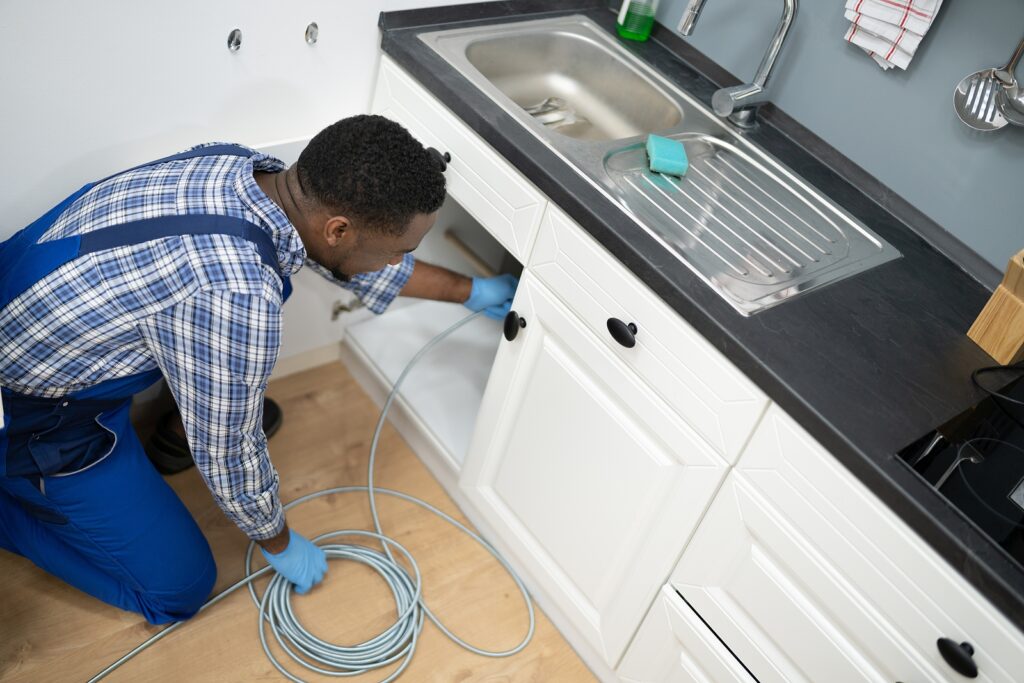
What Causes Kitchen Drain Clogs?
Your kitchen drain takes a beating every single day. Every time you wash dishes, rinse a pan, or run food scraps down the disposal, you are sending a mix of grease, food particles, soap, and oil into your pipes.
The real villain in most kitchen drain clogs is grease. When you pour hot grease or cooking oil down the drain, it moves through the pipe in liquid form. But as it cools, it sticks to the inside walls of your pipes. Over time, layer after layer of grease builds up, and the opening inside the pipe gets smaller and smaller. Food scraps, soap, and other debris catch on that grease and make the buildup even worse.
Here are the most common causes of kitchen drain clogs:
- Grease and cooking oil: are the number one culprits. Even small amounts poured down the drain regularly add up fast.
- Food particles: from rinsing plates and pots collect in the pipe, especially coffee grounds, pasta, rice, and vegetable peels.
- Dish soap residue: combines with hard minerals in the water to form a thick, sticky film inside your pipes.
- Garbage disposal misuse: sends improper food waste into the drain line, which accelerates blockages.
Kitchen clogs tend to build slowly. You may not even notice the problem until one day your sink is barely draining at all. By that point, the blockage is often deep in the pipe and difficult to break up with simple home remedies.
What Causes Bathroom Drain Clogs?
Bathroom drains deal with a completely different set of problems. The biggest one is hair. Every shower or bath sends loose hair down the drain, and that hair does not just slide through the pipe and disappear. It catches on the drain stopper, wraps around itself, and forms a tangled mass that traps soap scum and skin cells.
Here are the main causes of bathroom drain clogs:
- Hair is the top cause of bathroom sink and shower drain blockages. Even a little bit of hair every day adds up quickly.
- Soap scum builds up on pipe walls and acts like glue, trapping hair and other debris in place.
- Toothpaste, shaving cream, and personal care products leave residue in sink drains that hardens over time.
- Hard water mineral deposits coat the inside of pipes and narrow the opening, making it easier for other debris to get stuck.
- Wet wipes and cotton products flushed or rinsed into bathroom drains are one of the leading causes of serious blockages.
Bathroom clogs are usually closer to the drain opening compared to kitchen clogs. You will often find the bulk of a bathroom clog sitting just below the drain cover or wrapped around the stopper. That is why some bathroom clogs respond to simple removal with gloves and a drain snake, while others are deeper and need professional attention.
Why You Cannot Treat Them the Same Way
This is where a lot of homeowners go wrong. They grab a bottle of liquid drain cleaner and pour it down whichever drain is giving them trouble, hoping it fixes everything. But those chemical products are not a one-size-fits-all solution, and they can actually damage your pipes with repeated use.
For a kitchen drain clog caused by grease buildup, a standard drain snake might break through part of the clog, but it will not remove the grease coating from inside the pipe. The clog comes right back in a few weeks. The only way to truly clean a grease-heavy kitchen drain is with hydro-jetting, which blasts hot, high-pressure water through the pipe and strips away all the buildup from the inside walls.
For a bathroom drain clog caused by hair and soap scum, a drain snake is often enough to pull out the mass sitting near the drain. But if the blockage has gotten deeper or the pipes have significant soap scum buildup, hydro-jetting works well here, too.
Chemical drain cleaners are something most professional plumbers strongly advise against. They produce heat that can warp or crack PVC pipes. They often do not fully dissolve a clog, just push it further down the line. And they are harmful to the environment when they reach the water system.
Signs Your Kitchen Drain Needs Attention Now
Do not wait until your sink is completely backed up. Watch for these warning signs:
- Water drains slower than it used to
- You hear a gurgling sound after water goes down
- A foul smell rises from the drain even after cleaning
- Water pools around the drain in the sink
That smell is a big one. When grease and food particles decompose inside your pipes, they produce a sour, rotten odor that creeps up through the drain. No amount of baking soda will fix that once the buildup is serious.
Signs Your Bathroom Drain Needs Attention Now
Bathroom drain issues tend to sneak up on you, too. Keep an eye out for:
- Shower water pooling around your feet
- Sink water that takes more than 30 seconds to drain
- Hair visible in or around the drain cover
- A musty smell coming from the drain
A musty drain smell in the bathroom usually means bacteria are growing inside a buildup of hair, soap, and moisture. That is not just a plumbing issue; it is a hygiene issue too.
What a Professional Plumber Does Differently
When you call a licensed plumber to handle a drain clog, they do not just guess at the problem. They start by figuring out exactly where the blockage is and what caused it. For tougher clogs, they use a drain camera to look inside the pipe and see what is happening. That takes all the guesswork out of it.
From there, they choose the right tool for the job. A simple hair clog near the drain cover needs a different approach than a 20-foot grease buildup deep in a kitchen drain line. Plumbers know the difference, and they use methods that actually clear the pipe instead of just pushing the problem further down.
A professional drain cleaning also protects your pipes. Harsh chemicals and aggressive snaking without proper technique can scratch or crack your pipes, especially in older homes. A trained plumber knows how to clear a clog without causing new damage.
How to Prevent Kitchen Drain Clogs
You can dramatically cut down on kitchen drain problems with a few simple habits:
- Never pour grease, oil, cooking fat down the drain. Let it cool in a container and throw it in the trash.
- Use a sink strainer to catch food particles before they go down the drain.
- Run hot water down the drain for 30 seconds after washing dishes to help push any residue through.
- Every few weeks, pour boiling water down the drain slowly to help dissolve minor soap and grease buildup.
How to Prevent Bathroom Drain Clogs
Bathroom drain maintenance is simple when you stay on top of it:
- Install a hair catcher over your shower and tub drains. They cost next to nothing and save you a lot of headaches.
- Clean the drain stopper in your sink once a month. Hair and soap collect there fast.
- Avoid flushing anything other than toilet paper. Wet wipes, cotton balls, and tissues do not break down in water the way toilet paper does.
- Run hot water through your sink drains regularly to help flush soap residue through the pipes.
When to Call a Plumber
If you have tried the basics and the drain is still slow, or if the clog keeps coming back every few weeks, it is time to call a plumber. Recurring clogs almost always mean the problem is deeper in the pipe than home tools can reach. A professional can clear the line completely and tell you if there is anything else going on, like a damaged pipe or tree root intrusion.
Do not ignore a completely blocked drain either. Standing water in a sink or tub can lead to water damage, mold growth, and serious pipe stress if the backup gets bad enough.
FAQs
Can I use a plunger on both my kitchen and bathroom drains?
Yes, you can use a plunger on both. However, make sure you use a cup-style plunger for sinks and a flange plunger for toilets. For bathroom sink and shower drains in Cleburne, TX, plunging can help dislodge a minor clog, but deeper blockages will need professional drain cleaning.
How often should homeowners in Cleburne, TX get their drains professionally cleaned?
Most plumbers recommend a professional drain cleaning once every one to two years for average households. If you cook heavily or have multiple people using the same bathroom, once a year is a smart schedule to keep your pipes clear and avoid surprise blockages.
Is hydro-jetting safe for the pipes in older homes around Cleburne and the surrounding areas?
Hydro-jetting is safe for most pipes, but a plumber should inspect your pipes with a camera first if your home is older. Some aged clay or severely corroded pipes need a gentler approach. A trusted plumber in the Cleburne, TX area will always assess the condition of your pipes before recommending hydro-jetting.
What is the fastest way to get rid of a bad smell coming from my kitchen drain?
The smell usually comes from decomposing food and grease stuck inside the pipe. Pouring boiling water down the drain can help temporarily, but a professional drain cleaning is the only way to remove the source of the odor. A plumber serving Cleburne, TX and surrounding cities can fully clean the pipe and eliminate the smell at the root.
My bathroom drain clogs every few months even after I clean it myself. What is causing this?
Recurring bathroom drain clogs usually mean hair and soap buildup is collecting deep in the pipe, beyond where a basic drain snake can reach. It can also mean your pipes have a partial obstruction from mineral deposits. A professional drain cleaning service in the Cleburne, TX area will clear the entire line and help you figure out why it keeps happening.
Ready to Fix That Drain for Good?
If your kitchen or bathroom drain is giving you trouble, do not wait for it to get worse. Finntastic Plumbing is here to help homeowners in Cleburne, TX and the surrounding areas get their drains flowing freely again. Our licensed plumbers will find the problem, fix it the right way, and make sure it does not keep coming back. Call us today at 817-899-7315 to schedule your drain cleaning service. We are available 24/7 for emergencies, so help is always just one call away.